

The Importance of Color
Color is one of the most used tools for interior design. It can completely transform a room, change the way a space feels, and even affect our mood. Whether you love bold and colorful spaces or prefer soft, neutral tones, color plays a huge role in making a house feel like home.
When designing a space, I think color is one of those details that can really bring everything together. It helps tell the story of a room and, most importantly, gives you an opportunity to make the space feel personal to you.
Color Sets the Tone and Design Style
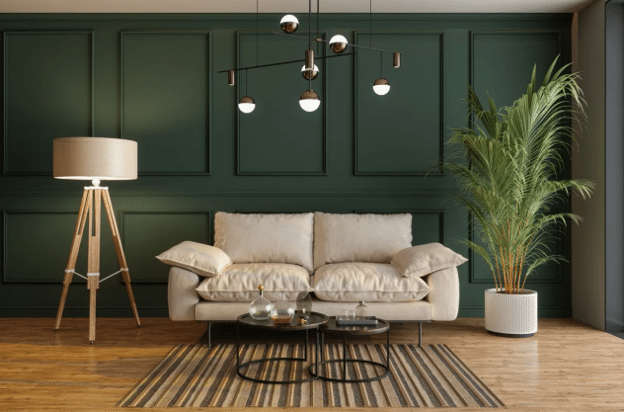
One of the first things color can do is help set the overall tone and style of a space. The colors you choose should reflect your personality and the feeling you want your home to have. Do you want your space to feel bright and energetic? Maybe you love a cozy, moody room. Or perhaps you want something calm and relaxing. Color can help create all sorts of different moods and vibes.
Color can also help certain elements stand out. If you have a unique piece of furniture, a beautiful architectural detail, or a feature you really want to highlight, the right color can draw attention to it and make it feel even more special.
It can also be used to create cohesiveness, contrast, or complement different elements throughout a room. It really depends on what you are trying to achieve with the space.
And sometimes, it is the little touches of color that make the biggest difference. Adding a color that connects back to something meaningful to you can make a room feel much more personal and intentional.
Different Colors Can Define Your Mood in Each Room
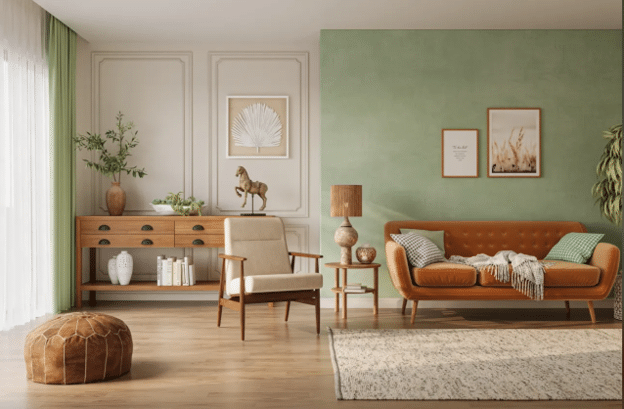
Color can have a big impact on how we feel when we walk into a room.
Bright colors can bring in vibrant, energetic feelings and make a space feel fun and lively. They can be a great way to add personality and make a room feel more exciting.
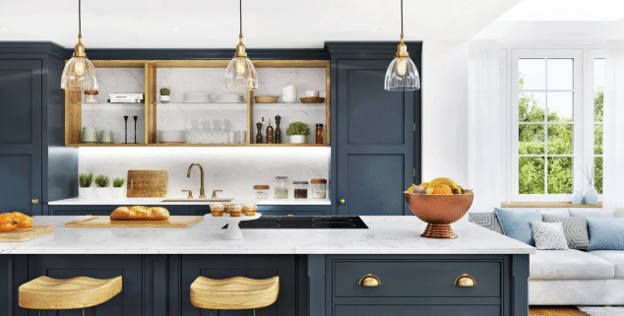
Darker colors can create a moodier and cozier vibe. They can make a space feel intimate, dramatic, and warm, especially when paired with the right lighting and materials.
Neutrals, on the other hand, can bring in a sense of relaxation and calmness. Colors like creams, soft whites, taupes, and warm grays can create a peaceful foundation that allows other elements in the room to shine.
There really isn’t one “right” color for a room. It all comes down to the feeling you want to create and how you want the space to make you feel when you’re in it.
The Types of Color Schemes
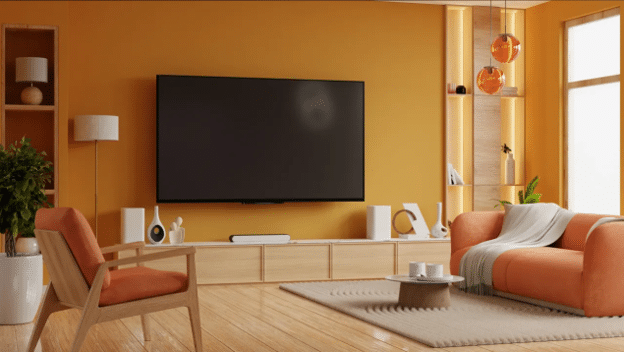
There are so many different ways to combine colors, and understanding a few basic color schemes can make choosing colors for your home a lot easier.
Complementary: colors are opposite each other on the color wheel. They create contrasts and can make the space feel bolder and more dynamic.
Analogous: colors sit next to each other on the color wheel. They tend to work well together and create a more cohesive and harmonious look.
Monochromatic: color schemes use different shades, tones, and tints of the same color. This can create a really beautiful, layered look without feeling overwhelming.
Triadic: color schemes use three colors that are evenly spaced around the color wheel. This can create a balanced look while still bringing in a little more color and personality.
You don’t necessarily have to follow one of these schemes exactly, but they are helpful tools when you’re trying to figure out why certain colors work well together.
How To Incorporate Color into Each Space
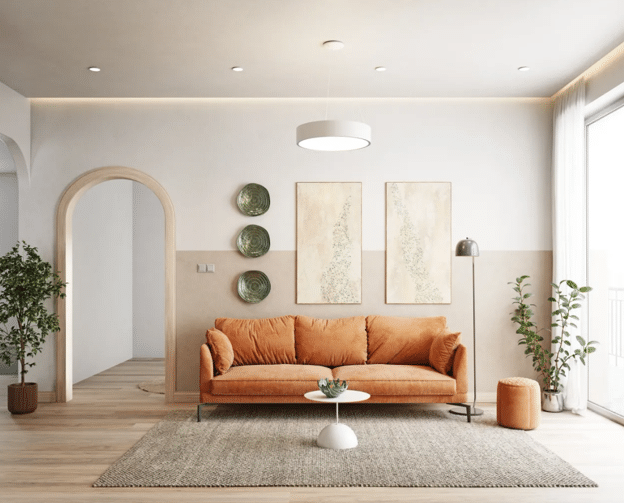
Color doesn’t have to mean painting every wall a bright color. There are so many different ways to bring color into a space. You can use different hues and different shades of a specific color to create layers and depth. If you have a neutral room, try adding pops of color through decor and accessories. If your room is already colorful, balance it out with some neutral colors.
The biggest thing is making sure the colors work well together. Harmony is key to making a space feel like it works. Color can come from so many different places depending on the room!
Kitchen:
In a kitchen, color can be incorporated through the backsplash, cabinetry and hardware, light fixtures, and even island seating. These are all great opportunities to add personality without having to completely change the space.
Living Room & Bedroom:
In living rooms and bedrooms, think about furniture pieces, blankets and pillows, artwork, plants or flowers, decorative pieces, and rugs. These smaller elements can bring in color while still allowing you to easily change things up over time.
Bathroom:
Bathrooms are another great place to have fun with color. Floor tile, shower and niche tiles, and even the vanity color can completely change the look and feel of the space.
Don’t forget about wallpaper! Wallpaper is a great option for adding color, pattern, and personality to any room. It can make a really big impact without needing to change every element in the space.
What Makes Color So Important?
At the end of the day, color can change the whole scene of a room. It can bring a space to life and make it feel more finished, intentional, and inviting.
But I think one of the most important things about color is that it gives you the opportunity to add that personal touch. Your home should feel like you, and color is one of the best ways to show your personality throughout your space.
Whether that means incorporating bold colors, keeping things soft and neutral, or finding a balance somewhere in between, there are so many ways to make color work for you.
Don’t be afraid to have fun with it! Sometimes the smallest pop of color is all a space needs to make it feel truly like your own.